



Theme 3. Basics of Display Screens
#38: DCI-P3
LG Display has been continuously pushing the boundaries of display technology to faithfully reproduce natural colors in any environment. Starting with this edition of the Display 101, we will take a closer look at the fundamental elements of a display that determine picture quality.
To accurately reproduce original content, it is essential to understand how precisely a display can express colors—a metric known as color gamut coverage. This is typically expressed as a percentage of a standard color space, such as DCI-P3, sRGB, or Adobe RGB.
In this article, LG Display introduces DCI-P3, a color standard used in film production where precise color expression is especially important.
① What is DCI-P3?
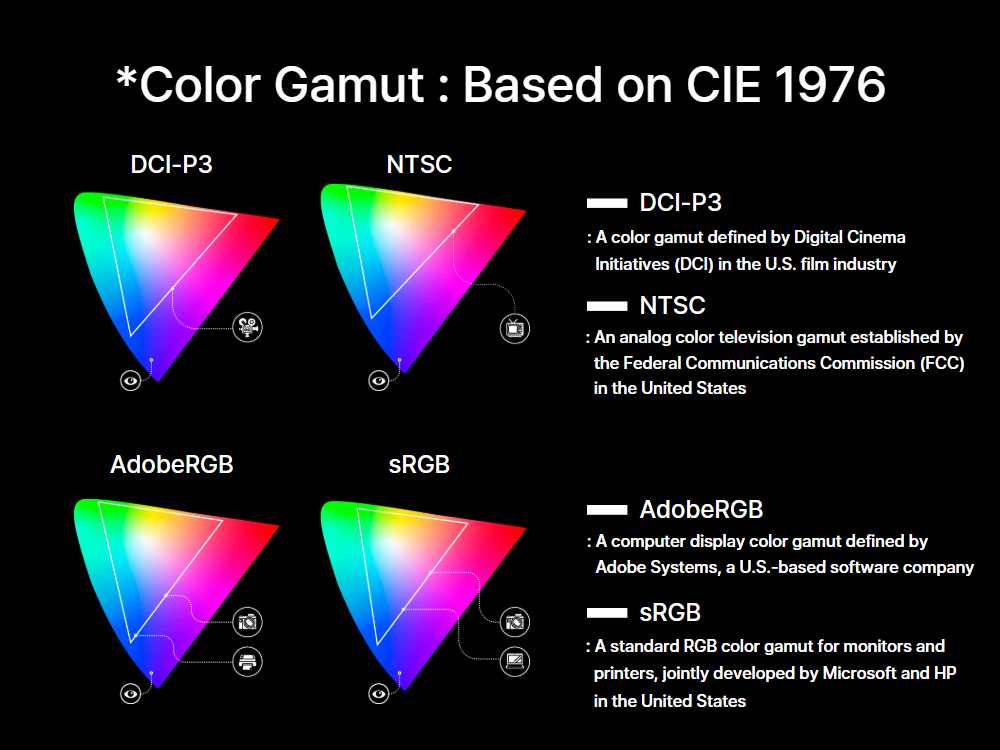
DCI-P3 is a digital cinema color standard space defined by the Digital Cinema Initiatives (DCI), a consortium of major U.S. film studios.
Originally created as a standard for digital cinema projectors, it has since expanded into high-end consumer displays—including premium smartphones, monitors, TVs, and laptops.

② Why is it important?
The range of colors a display can reproduce is called its color gamut. The wider the gamut, the more accurately the display can represent the original colors of the content.
For users watching movies, viewing photos, or playing games, a wide color gamut translates into excellent contrast ratio and a more immersive visual experience. It’s also an essential factor in achieving HDR (High Dynamic Range) content.
③ How is it different from sRGB?
Before the DCI-P3 standard was created, sRGB has been the standard color gamut for displays and web content. However, it covers only a limited range of colors—about 33.3% of what the human eye can perceive—making it insufficient for today’s high-definition content.
As display and film technology advanced, the industry needed a wider color space for digital cinema. This led to the creation of DCI-P3, which covers roughly 25% more colors than sRGB, especially in the red ranges, enabling richer and more vibrant color reproduction.
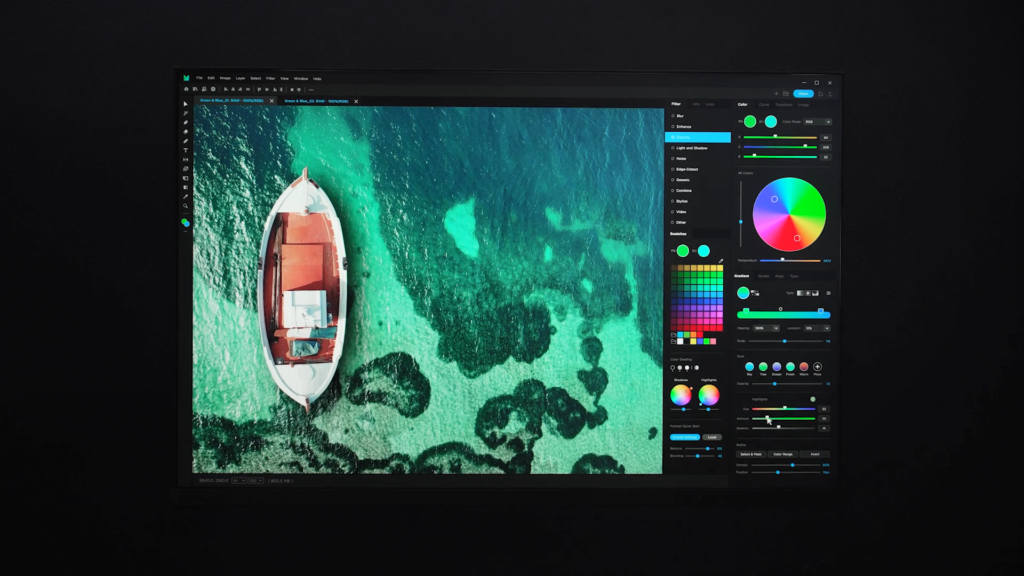
These days, people increasingly seek cinema-quality colors even outside the movie theater—using personal devices instead.
At SID 2025, the world’s largest display exhibition, LG Display unveiled its groundbreaking 16-inch Neo:LED. Powered by next-generation LED technology, it delivers 100% DCI-P3 and 100% *Adobe RGB color gamut coverage. Optimized for video content production and professional design work, the display achieves deep blacks for sharper, more vivid, and highly accurate image quality.
From smartphone displays that reproduce colors more accurately and vividly, to professional monitors offering the color precision needed for photo and video editing, and premium TVs delivering theater-level picture quality, DCI-P3 is widely used in areas that demand realistic, true-to-life color reproduction.
* Adobe RGB: a color space introduced by Adobe, the U.S.-based software company